Ofrendas Beyond the Zócalo: Day of the Dead in Mixquic, Xochimilco and Coyoacán
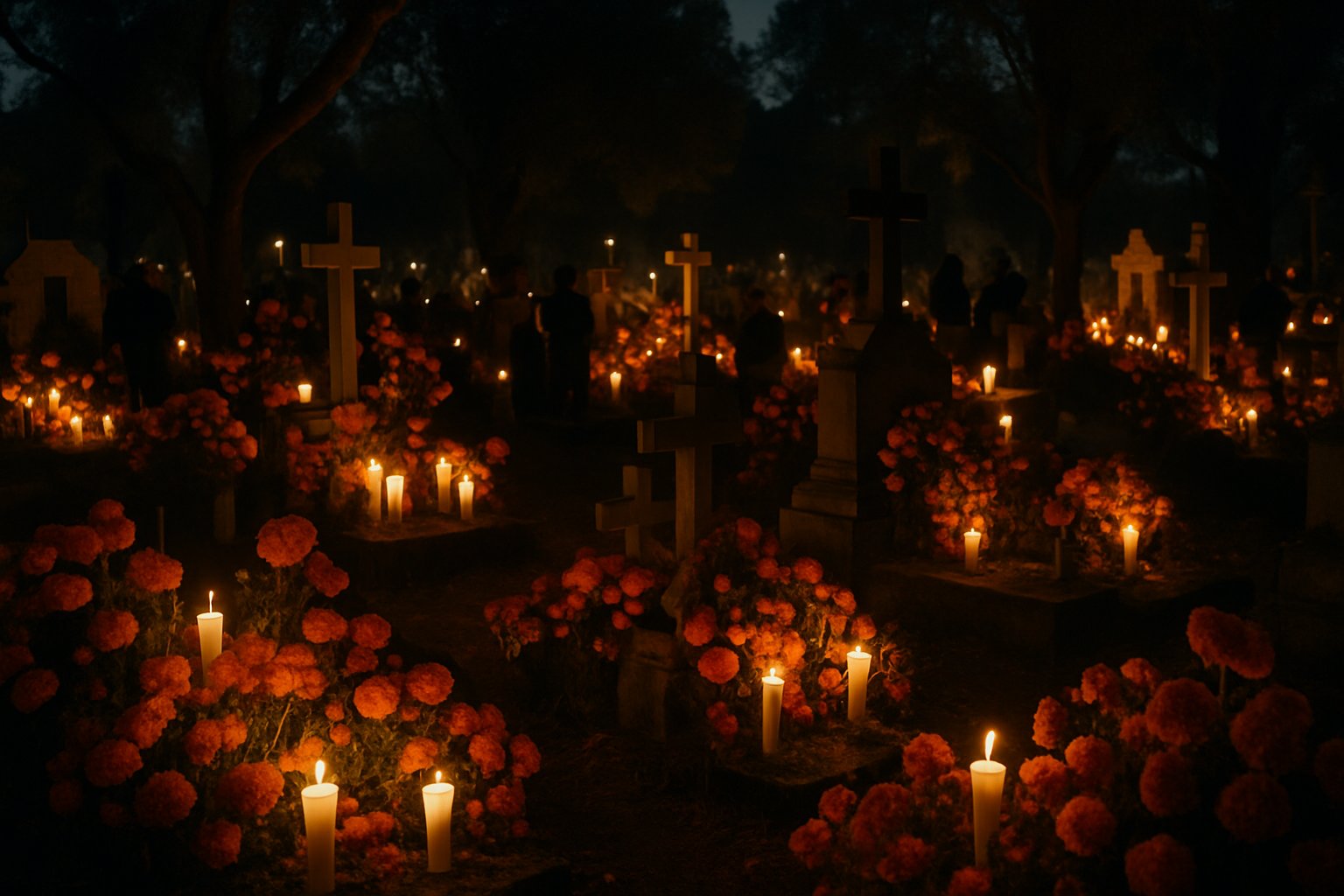
The Zócalo's giant Catrina gets the crowds, but some of Mexico City's most moving Día de Muertos traditions happen in its own boroughs. These include candlelit cemetery vigils in Mixquic, marigold-lined canals in Xochimilco and Frida's ofrenda in Coyoacán.
The season at a glance
Día de Muertos in Mexico City now stretches from early October to 2 November. The big public events happen downtown. The more intimate traditions belong to the pueblos and barrios further south. Here are the key dates for 2026:
- Early October to early November: the Ruta del Cempasúchil trajinera tours run in Xochimilco. Confirm exact dates with the organiser.
- 29 Oct – 2 Nov: the Ofrenda Monumental stands in the Zócalo. This year it is themed on José Guadalupe Posada's Catrina, with a 32-metre cartonería figure.
- 31 Oct – 2 Nov: Mixquic holds its celebrations, ending with La Alumbrada on the night of 2 Nov.
- 1–2 Nov: these are the main days of the dead, when families visit cemeteries and finish their home altars.
The city's official guide to the season is the Day of the Dead 2026 in Mexico City page. It also lists 12 community ofrendas across the city.
Mixquic: the cemetery that glows
San Andrés Mixquic sits in the far southeast of Tláhuac borough. It is a pueblo originario, and its devotion to the faithful departed makes it the most famous Día de Muertos destination inside the city limits.
What you'll see
The festivities run from 31 October to 2 November. The centre of town fills with decorations:
- Stars woven from carrizo (reed)
- Papier-mâché calaveras
- Three-tier ofrendas
All of this surrounds the parish church and the panteón. Last year's municipal programme was free and included parades, concerts, monumental ofrendas and themed tours. Expect something similar in 2026.
The climax is La Alumbrada on the night of 2 November. Villagers fill the cemetery with candles and keep watch beside the graves of their relatives. It is beautiful and genuinely solemn. For the families there, this is a vigil rather than a show.
Getting there
Mixquic is a long way from central Mexico City, so plan for a long trip on the busiest nights. Check current transport options before you go.
If you'd rather not handle the logistics after dark, guided tours are an option. Some include the Alumbrada along with extras such as a chocolate calaverita and a picnic lunch. Going on 31 October or 1 November gets you the decorations with fewer people. The night of 2 November is the most atmospheric and the most crowded.
Xochimilco: marigolds by trajinera
Xochimilco's chinampas, the ancient floating farm plots, grow much of the cempasúchil that ends up on the city's altars. In October the fields turn solid orange.
Ruta del Cempasúchil
The most complete way to see the fields is the Ruta del Cempasúchil 2026, run by Explora Xochimilco from early October to early November. Here are the details:
- Format: a 3–4 hour ride on a decorated trajinera, hosted by a catrín or catrina.
- Route: the boat passes marigold-planted chinampas and stops at ofrendas along the way.
- Food: traditional food and drinks are included.
- Price and timing: check the organiser for current prices, dates and departure time. The timing is set so you reach the flower fields around sunset.
Book directly with the organiser and confirm the boarding point when you reserve. Themed tours in past years have left from the Embarcadero Cuemanco.
Getting there
The Tren Ligero runs from Tasqueña (Metro Line 2) south to Xochimilco. That puts you near the historic embarcaderos. Cuemanco, beside the canal and the rowing course, is easiest to reach by taxi or ride-hail. Weekday departures in mid-October are noticeably calmer than the final weekend before 1 November.
Coyoacán: altars at a human scale
Coyoacán and neighbouring San Ángel suit visitors who want ofrendas without the crush. Altars appear in museums, cultural centres and around the plazas, and you can walk between many of them in an afternoon.
Frida, Diego and the borough altars
Two of the season's most talked-about museum ofrendas honour the borough's best-known couple:
- The Casa Azul: it builds an ofrenda for Frida Kahlo. Check the museum's official site for this year's details and tickets.
- Museo Anahuacalli: Diego Rivera's volcanic-stone museum has mounted an ofrenda that is consistently well regarded. Check the museum's official site for this year's programme.
For the calmest visit, go on Sunday 1 November, Día de los Angelitos. This is the day devoted to children who have died.
How to be a respectful guest
In Mixquic and in neighbourhood cemeteries across the city, you are a guest at real families' remembrances. A few habits go a long way:
- Ask before you photograph anyone tending a grave. If they say no, or simply look away, put the camera down.
- Turn off your flash. Candlelight is the whole point, and flashes are intrusive at a vigil.
- Don't touch offerings. The food, bread, drinks and photos on an altar are for the dead.
- Keep your voice low in cemeteries and stay on paths. Don't step over or sit on graves.
- Buy locally. Candles, flowers, pan de muerto and food from village stalls support the communities who make these celebrations possible.
Dates, prices and programmes can shift from year to year, and the Mixquic and Coyoacán borough programmes are usually published close to the date. Check before you go, especially for transport on the nights of 1 and 2 November.
Leave a Reply